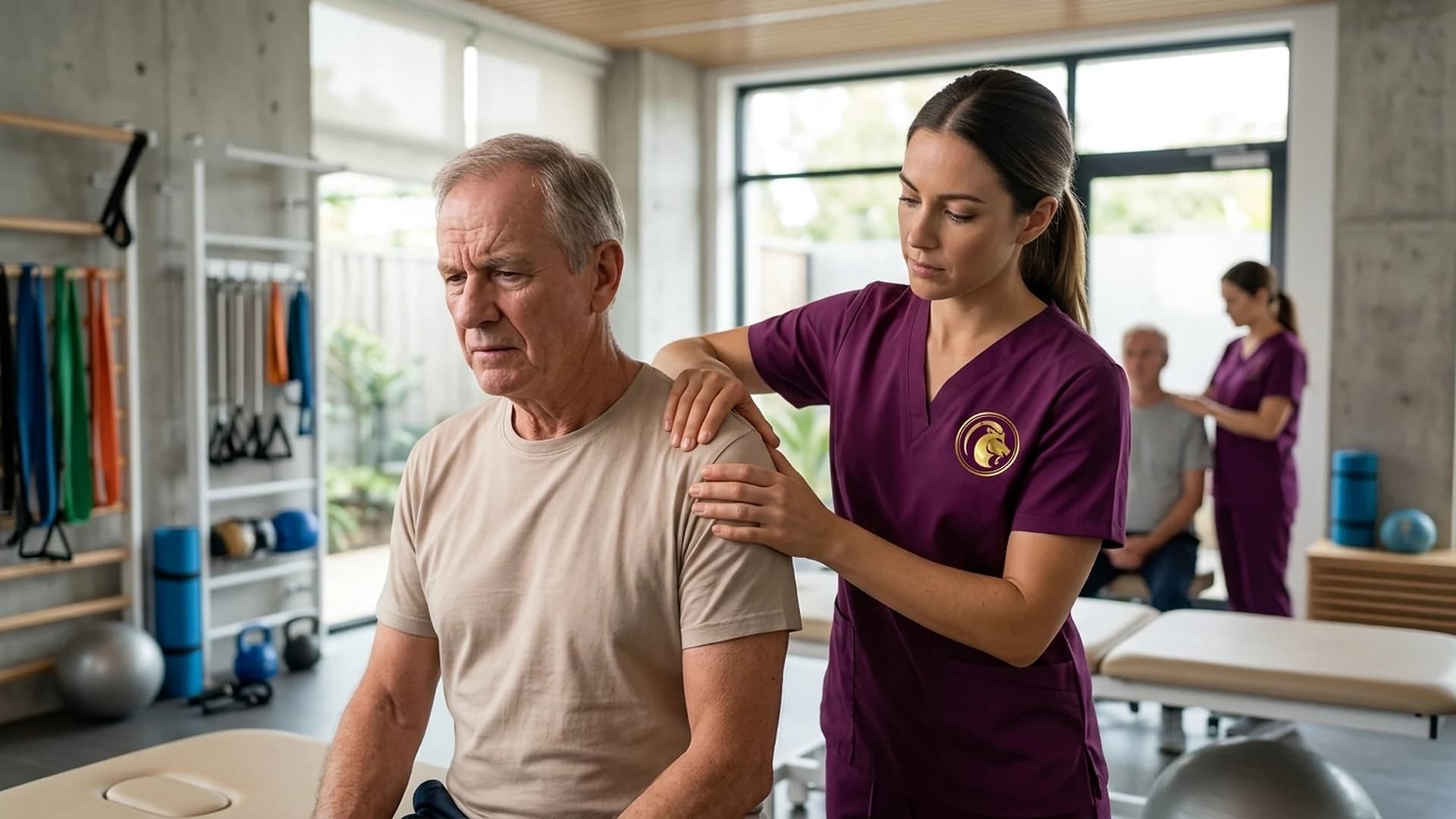




Introduction: Understanding Chronic Low Back Pain
When lower back pain persists beyond 12 weeks, it transitions from an acute structural injury into a complex chronic condition involving neuromuscular deconditioning and central nervous system sensitization. At this stage, passive treatments like pills and bed rest are ineffective. Long-term resolution requires restoring dynamic lumbo-pelvic motor control, rebuilding movement confidence, and downregulating pain hypersensitivity.
Common Symptoms of Chronic Back Pain
Chronic presentations feature persistent discomfort and altered movement patterns:
- Continuous, deep-seated aching in the lumbar spine and pelvis
- High sensitivity to minor changes in weather, stress, or posture
- Fear-avoidance behavior (hesitancy to bend, lift, or exercise)
- Significant loss of lumbar flexibility and trunk endurance
- Compensatory tightness in the hip flexors, piriformis, and hamstrings
- Sleep disruptions and persistent fatigue
- Flare-ups triggered by minimal physical activities
Causes & Clinical Diagnosis
Chronic low back pain is multifactorial, stemming from:
- Incomplete rehabilitation of prior acute disc or muscle injuries
- Severe atrophy of the lumbar multifidus muscle replaced by fatty infiltration
- Central sensitization, where the central nervous system amplifies harmless movement signals
- Diagnosis relies on functional capacity evaluation, core endurance testing (McGill protocol), and movement pattern analysis.
Pathophysiology & Biomechanical Impact
With chronic disuse, the deep stabilizing muscles undergo selective atrophy while global superficial muscles (rectus abdominis, erector spinae) overwork inefficiently. This alters spinal loading vectors, creating micro-instability and perpetuating inflammatory cytokine signaling in the lumbar motion segments.
Evidence-Based Physiotherapy Protocols
- Motor control retraining focusing on fine neuromuscular control before heavy loading
- Clinical isometric trunk conditioning and McGill-based spinal sparing motor control protocols
- Graded exposure therapy to eliminate kinesiophobia (fear of movement)
- Neuromuscular electrical stimulation (NMES) to re-engage dormant multifidus fibers
Home Care & Ergonomic Strategies
- Establish a daily progressive walking regimen (starting at 15–20 minutes)
- Implement ergonomic standing desk transitions every 45 minutes
- Practice diaphragmatic breathing to relax hyperactive sympathetic tone
- Maintain consistent hydration and nutritional support for connective tissue recovery
When to Contact Us
Chronic back pain does not mean you must live with permanent limitations. Contact Aries PhysioCare for specialized in-home rehabilitation that retrains your spine and restores active living.