

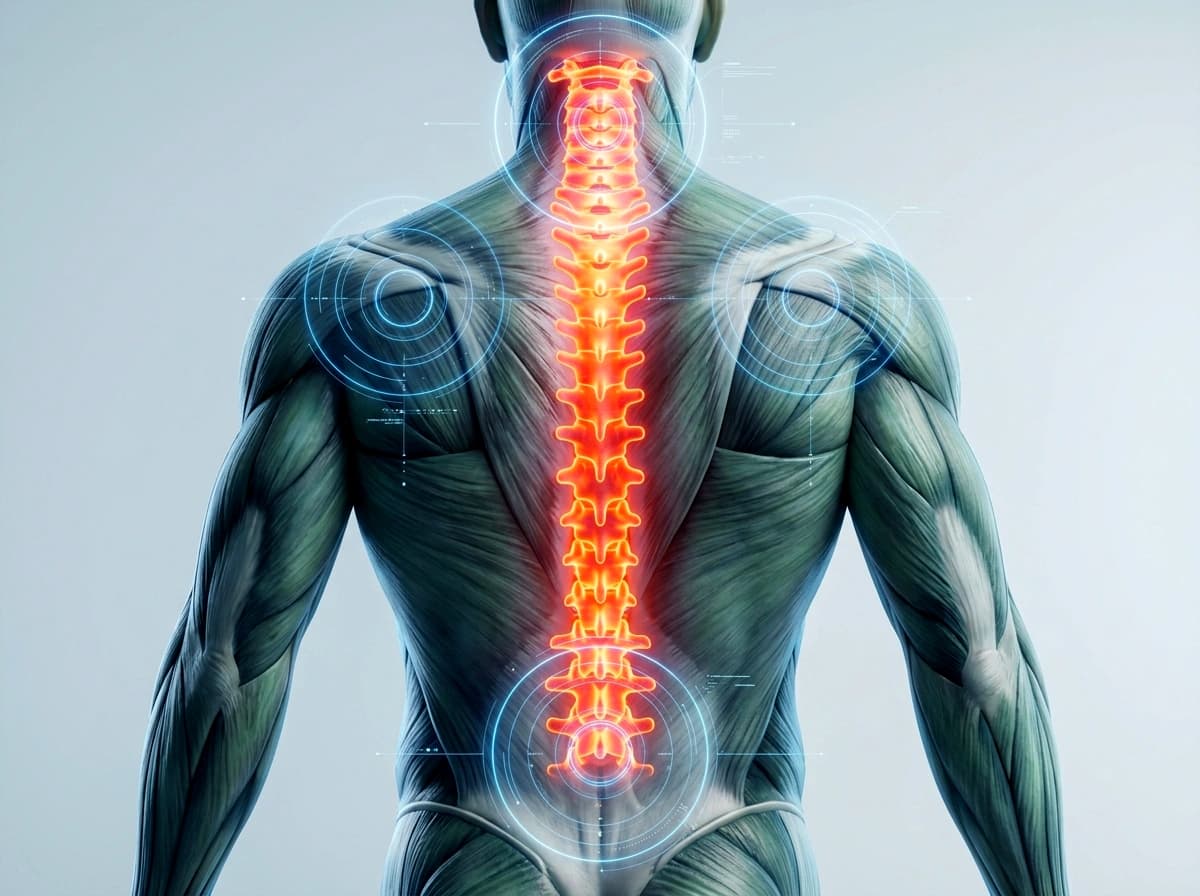
Introduction: Understanding Coccydynia
Coccydynia is localized pain and tenderness in the coccyx—the terminal triangular segment of the vertebral column popularly known as the tailbone. While small, the coccyx serves as a critical attachment hub for multiple pelvic floor muscles, the sacrotuberous ligament, and the gluteus maximus. When injured or chronically compressed, sitting becomes an excruciating ordeal. Specialized physical therapy addresses both articular alignment and pelvic floor myofascial tension for complete, non-invasive recovery.
Common Symptoms of Coccydynia
Focal sitting-related distress:
- Sharp, localized pain when sitting down, especially on hard or backward-sloping seats
- Severe increase in pain when leaning backward while seated
- Acute catching ache during the transition from sitting to standing
- Deep, persistent dull ache in the tailbone area after prolonged desk work or driving
- Pain during bowel movements or sexual intercourse
- Tenderness upon direct touch or pressure over the tip of the tailbone
- Relief experienced when sitting with weight shifted forward onto the thighs
Causes & Clinical Diagnosis
Common clinical etiologies:
- Direct acute trauma: falling backward onto buttocks (slip on wet floor, stairs)
- Prolonged, repetitive seated pressure on unpadded surfaces
- Childbirth trauma: mechanical strain during vaginal delivery
- Hypertonic pelvic floor muscles exerting chronic forward traction on the coccyx
- Diagnosis involves dynamic seated vs. standing coccygeal X-rays and localized digital palpation.
Pathophysiology & Biomechanical Impact
Trauma can produce coccygeal subluxation, hypermobility, or localized periostitis. The levator ani and coccygeus muscles reflexively spasm in response to inflammation, locking the coccyx into a pathological forward flexion or lateral tilt.
Evidence-Based Physiotherapy Protocols
- External coccygeal mobilization and myofascial release of adjacent gluteal and sacral ligaments
- Pelvic floor relaxation training and down-training of hyperactive levator ani musculature
- Calibrated therapeutic ultrasound and low-level laser therapy to downregulate coccygeal periosteal inflammation
- Prescription and custom fitment of wedge or coccyx cut-out orthopedic seating cushions
Home Care & Ergonomic Strategies
- Always sit on a U-shaped or coccyx cut-out cushion that allows the tailbone to float without surface contact
- Lean forward slightly when sitting to transfer weight onto the ischial tuberosities and thighs
- Apply cold packs for 15 minutes after sitting sessions to reduce local tissue inflammation
- Practice deep diaphragmatic belly breathing to gently stretch and relax the pelvic floor
When to Contact Us
Do not suffer through painful sitting. Contact Aries PhysioCare for discreet, specialized home physiotherapy and effective coccydynia rehabilitation.