



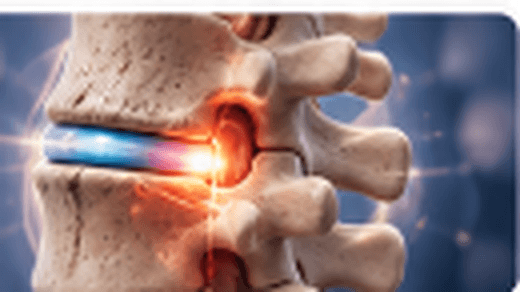
Introduction: Understanding Disc Bulge
A disc bulge is one of the most frequently reported findings on lumbar MRI scans. Unlike a herniation where the inner gel ruptures through the outer wall, a disc bulge involves generalized, symmetrical or asymmetrical distension of the intact disc circumference beyond the vertebral edge. Think of it like a tire with low pressure bulging outward under weight. Catching and treating a disc bulge early with physiotherapy prevents annular tearing and severe nerve root compression.
Common Symptoms of a Disc Bulge
Mild to moderate mechanical symptoms:
- Recurrent lower back tightness that flushes after sitting at a desk
- Mild tingling or dull ache radiating into the upper buttock
- Difficulty standing completely straight immediately upon waking
- Discomfort when leaning forward to wash face or lift objects
- Sensation that your back "might give out" during sudden turns
- Intermittent dull ache across the belt line
- Reluctance to engage in sports or gym workouts due to spinal fatigue
Causes & Clinical Diagnosis
Common contributing factors:
- Sedentary workstation ergonomics with persistent lumbar kyphosis
- Sub-optimal abdominal muscle tone and tight hip flexors
- Dehydration and age-related loss of proteoglycans in the disc core
- Diagnosis involves clinical postural evaluation, range of motion assessments, and correlation with MRI imaging to distinguish asymptomatic incidental bulges from symptomatic active bulges.
Pathophysiology & Biomechanical Impact
Under continuous hydrostatic pressure from slouching, the nucleus pulposus migrates posteriorly. The posterior annular fibers stretch and weaken, developing circumferential micro-strains that stimulate nociceptors within the sinuvertebral nerve.
Evidence-Based Physiotherapy Protocols
- McKenzie extension-based directional loading to coax the nuclear gel back to the center
- Transversus abdominis and internal oblique motor control training
- Pelvic neutral posture re-education
- Spinal mobilization to improve thoracic and hip mobility, offloading the lumbar discs
Home Care & Ergonomic Strategies
- Set up an ergonomic desk with monitor at eye level and lumbar pillow in place
- Take regular standing posture breaks every 45 to 60 minutes to interrupt prolonged flexion loading
- Avoid heavy deadlifts or forward-bending toe touches until clearance from your physiotherapist
- Stay hydrated to support intervertebral disc re-imbibition during sleep
When to Contact Us
Do not let a minor disc bulge turn into an agonizing herniation. Contact Aries PhysioCare for preventative home physiotherapy and expert spinal conditioning.