


Introduction: Understanding Lumbar Radiculopathy
Lumbar radiculopathy is the formal clinical diagnosis describing objective neurological dysfunction caused by compression, tension, or chemical inflammation of a specific spinal nerve root in the lower back. Unlike non-specific back pain, radiculopathy produces distinct neurological symptoms that trace precise dermatomal (sensory) and myotomal (muscular) pathways. Timely clinical evaluation prevents permanent axonal damage and restores muscle strength.
Common Symptoms of Radiculopathy
Objective neurological manifestations:
- Dermatomal sensory loss (hypoesthesia or anesthesia) along the leg or foot
- Myotomal motor weakness (difficulty heel-walking from L4/L5, or toe-walking from S1)
- Diminished or absent deep tendon reflexes (patellar reflex for L4, Achilles reflex for S1)
- Shooting lancinating pain traveling below the knee
- Muscle atrophy in the anterior tibialis, gastrocnemius, or extensor hallucis longus
- Constant paresthesia and hypersensitivity to touch (allodynia)
- Exacerbation of leg symptoms during spinal compression or forward flexion
Causes & Clinical Diagnosis
Direct compressive drivers:
- Lateral or foraminal disc herniation directly abutting the exit nerve root
- Foraminal stenosis caused by facet joint hypertrophy and uncal spurring
- Spondylolisthesis narrowing the intervertebral exit canal
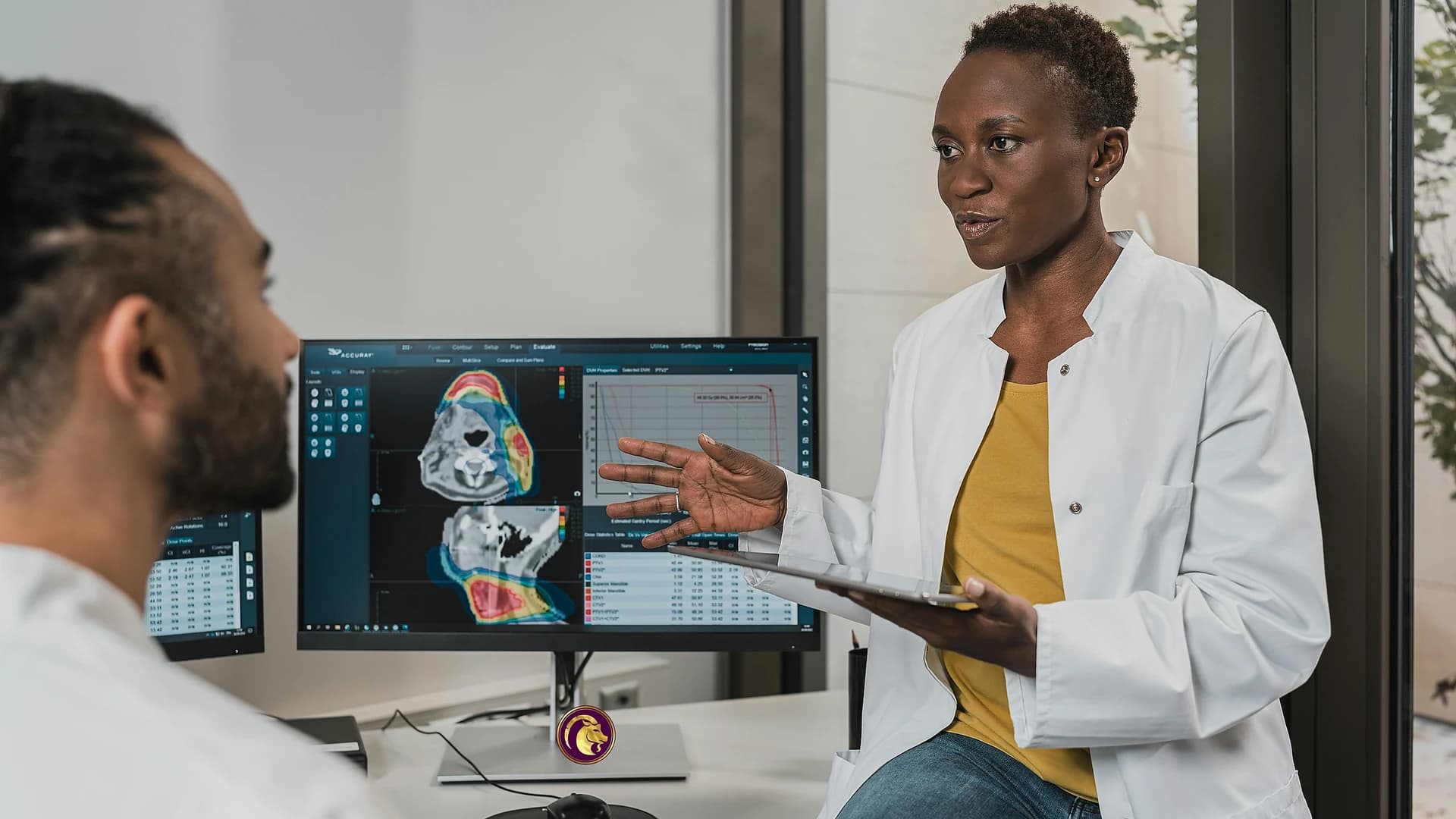
- Clinical diagnosis entails a comprehensive neurological triad examination (sensory mapping, manual muscle testing, reflex testing) combined with electromyography (EMG/NCV) and MRI.
Pathophysiology & Biomechanical Impact
Continuous mechanical pressure elevates intraneural fluid pressure, leading to ischemia, disruption of the blood-nerve barrier, and demyelination. If left untreated, axonal degeneration follows, resulting in true motor weakness and muscle wasting.
Evidence-Based Physiotherapy Protocols
- Positional foramen-opening traction to mechanically expand the neural exit space
- Neurodynamic sliding exercises to maintain nerve mobility and clear perineural adhesions
- Progressive myotomal neuromuscular re-education to awaken weakened motor units
- Calibrated electrical muscle stimulation (EMS) to prevent disuse atrophy in affected muscle groups
Home Care & Ergonomic Strategies
- Avoid sustained lumbar flexion and slouched sitting which pinches the exit foramen
- Use an ergonomic chair with adjustable armrests and back angle set to 100–110 degrees
- Perform gentle prone press-ups if extension centralizes leg symptoms
- Monitor for red flags (loss of bowel/bladder control, saddle numbness) requiring emergency care
When to Contact Us
Do not ignore weakness or numbness in your leg. Contact Aries PhysioCare for specialized home neurological physiotherapy and dedicated lumbar radiculopathy recovery.