



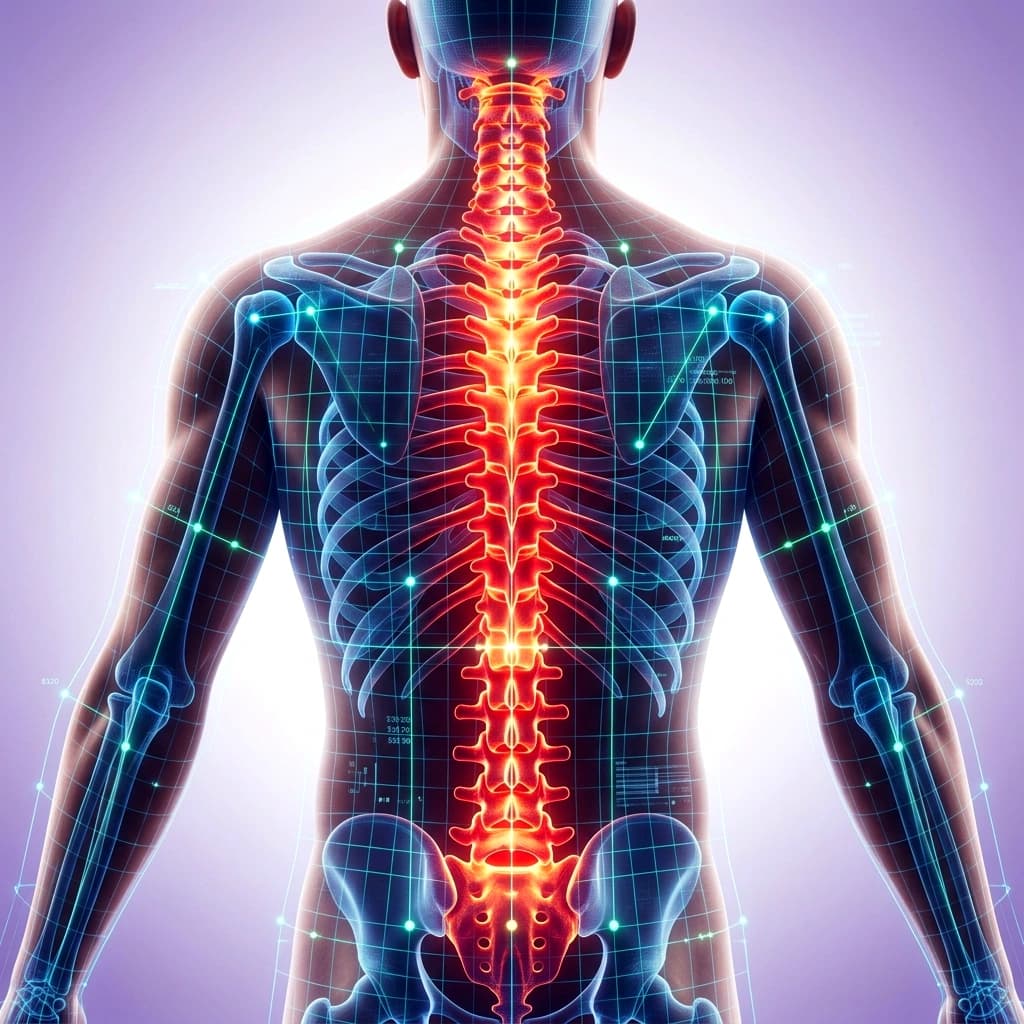
Introduction: Understanding Lumbar Spondylitis
Lumbar spondylitis refers to inflammatory involvement of the lumbar vertebrae and surrounding entheses (ligament-to-bone insertions). Unlike mechanical wear-and-tear, spondylitis often carries an inflammatory or autoimmune component, resulting in characteristic night pain and severe morning stiffness. Managing lumbar spondylitis requires a delicate balance of gentle mobility preservation, anti-inflammatory positioning, and safe muscular support.
Common Symptoms of Lumbar Spondylitis
Key inflammatory indicators:
- Severe morning stiffness lasting more than 45 minutes
- Lower back ache that wakes you during the second half of the night
- Discomfort that paradoxically improves with light exercise and worsens with rest
- Localized warmth and tenderness over affected spinous processes
- General malaise, fatigue, or low-grade systemic inflammation
- Reduced chest and thoracic expansion in early systemic presentations
- Alternating buttock discomfort reflecting sacroiliac involvement
Causes & Clinical Diagnosis
Underlying drivers:
- Autoimmune predisposition linked to the HLA-B27 genetic marker
- Reactive inflammatory response following gastrointestinal or genitourinary infections
- Chronic untreated enthesitis leading to reactive osteitis
- Diagnosis combines clinical history with blood tests (elevated ESR, CRP) and MRI showing bone marrow edema in the lumbar endplates.
Pathophysiology & Biomechanical Impact
Inflammatory cytokines (TNF-alpha, IL-17, IL-23) attack the fibrocartilaginous entheses where ligaments attach to vertebral bodies. Chronic inflammatory cycles can result in erosive bone damage followed by aberrant syndesmophyte formation and spinal rigidity.
Evidence-Based Physiotherapy Protocols
- Gentle active-assisted spinal range of motion without aggressive end-range manipulation
- Thoraco-lumbar extension exercises to counteract progressive spinal kyphosis
- Deep breathing exercises to preserve rib cage mobility and respiratory capacity
- Cryotherapy during acute inflammatory flare-ups to calm local tissue heat
Home Care & Ergonomic Strategies
- Maintain a strictly non-slouched posture during work and resting hours
- Sleep on a firm mattress with a single thin pillow under your head
- Take warm showers in the morning to soften stiff spinal connective tissues
- Engage in gentle daily swimming or aquatic walking to offload spinal joints
When to Contact Us
Early clinical management prevents long-term spinal stiffening. Contact Aries PhysioCare for specialized home physiotherapy care tailored for inflammatory spine conditions.