
Introduction: Understanding Post-Stroke Recovery
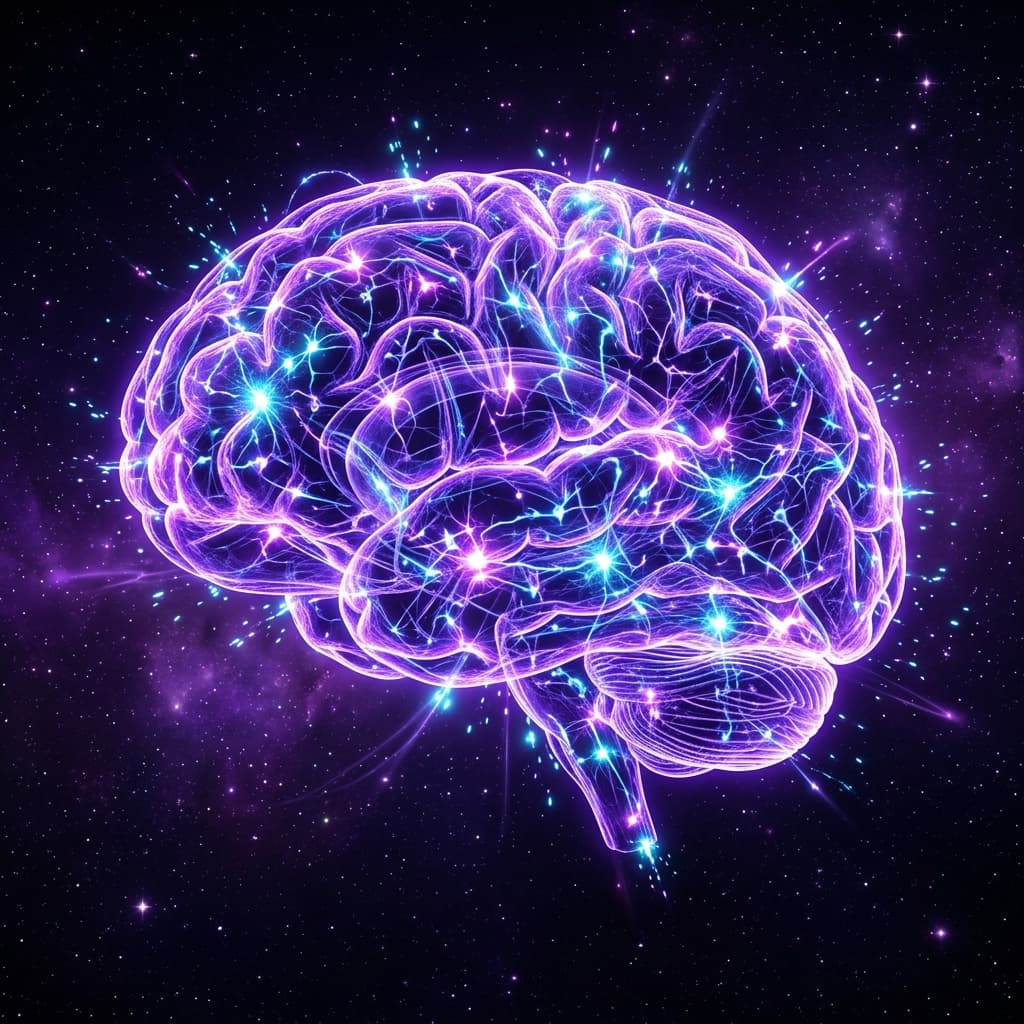
A cerebrovascular accident (stroke) occurs when cerebral blood supply is interrupted by vascular occlusion (ischemic) or rupture (hemorrhagic), resulting in localized neuronal ischemia. This disrupts motor control, postural stability, communication, and functional independence. However, the human central nervous system possesses remarkable adaptive plasticity—the capacity to reorganize synapses and recruit alternate neural pathways through targeted, repetitive sensorimotor stimulation under professional neuro-physiotherapy guidance.
Common Symptoms
Post-stroke neurological deficits present with distinct physical and cognitive challenges:
- Hemiparesis or hemiplegia: Unilateral weakness or paralysis affecting the face, arm, and leg
- Muscle spasticity and hypertonia, creating involuntary abnormal movement synergies
- Postural asymmetry and loss of balance, leading to heightened fall vulnerability
- Sensory loss or hemi-spatial neglect on the affected side of the body
- Foot drop and circumductory gait alterations during walking attempts
- Upper limb apraxia: Inability to execute purposeful reaching or grasping actions
- Central post-stroke fatigue and emotional lability
Causes & Clinical Diagnosis
Stroke etiology involves critical vascular and neurological mechanisms:
- Arterial thrombosis, embolic occlusion, or intracerebral hemorrhage depriving brain tissue of oxygen
- Secondary cerebral edema and penumbral tissue shock following acute hospitalization
- Clinical neurological diagnosis correlates acute CT/MRI brain scans with functional outcome measures (Fugl-Meyer Assessment, Berg Balance Scale, Functional Independence Measure [FIM]).
Pathophysiology & Biomechanical Impact
Following cortical injury, uninjured peri-infarct cortex and contralateral motor networks can assume lost motor functions if stimulated systematically during the "golden recovery window." Without structured rehabilitation, patients develop "learned non-use," where compensatory reliance on the unaffected limb causes secondary muscle contractures, disuse atrophy, and persistent neural silence in the recovering hemisphere.
Evidence-Based Physiotherapy Protocols
At Aries PhysioCare, senior neuro-physiotherapists implement specialized clinical protocols:
- Bobath and Neuro-Developmental Treatment (NDT): Inhibiting abnormal spastic synergies while facilitating normal postural reflexes
- Constraint-Induced Movement Therapy (CIMT): Concentrating therapeutic demand on the affected upper extremity
- Proprioceptive Neuromuscular Facilitation (PNF): Using spiral and diagonal movement patterns to stimulate sensory feedback
- Functional task-oriented training: Breaking down bed mobility, sit-to-stand transitions, and walking into clinician-guided components
- Neuromuscular Electrical Stimulation (NMES): Applying calibrated electro-stimulation to dorsiflexors to correct foot drop
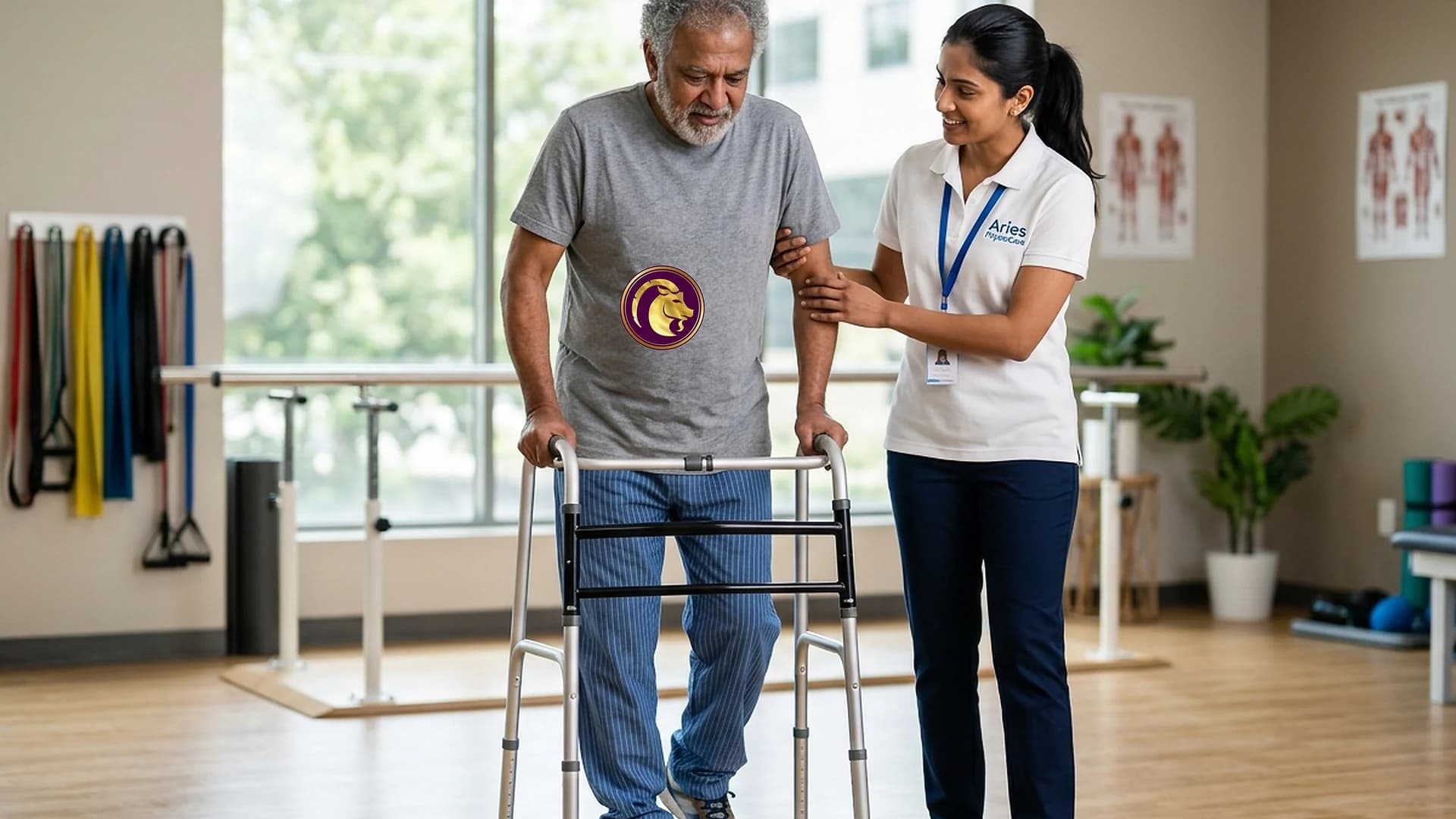
- Objective balance and gait retraining with clinical assistive technology and manual postural facilitation
Home Care & Ergonomic Strategies
A structured, safe home environment accelerates rehabilitation gains:
- Remove tripping hazards, secure loose carpets, and ensure high-illumination lighting along walking paths
- Install ergonomic wall grab bars in bathrooms and beside the patient's bed
- Utilize therapeutic positioning schedules (supporting the hemiplegic arm on pillows to prevent subluxation)
- Involve trained family caregivers in safe assisted-transfer methods guided by the therapist
- Practice designated rest intervals to prevent neurological fatigue during active daytime hours
- Refrain from forceful unsupervised pulling on the affected arm, which can precipitate complex regional pain syndrome (CRPS)
When to Contact Us
Immediate structured intervention is essential to capitalize on neuroplastic potential. Contact Aries PhysioCare to initiate a comprehensive in-home neuro-rehabilitation program led by licensed physical therapy specialists.