
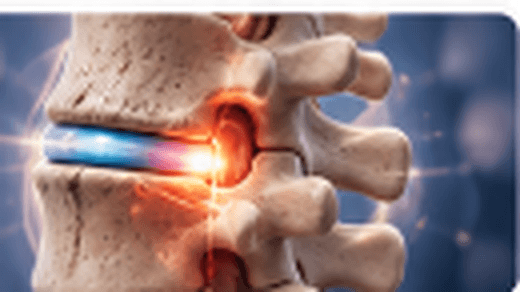
Introduction: Understanding Disc Herniation
The phrase "slipped disc" is a common misnomer—intervertebral discs are tightly bound to adjacent vertebral bodies by dense fibrocartilage and cannot physically slip out of place. Instead, a herniated disc describes a condition where the inner nucleus pulposus bulges or herniates through weakened annular rings. With appropriate non-surgical clinical care, over 90% of herniated discs heal completely without invasive intervention.
Common Symptoms of Herniated Disc
Manifestations depend on herniation direction and size:
- Sudden onset of agonizing lower back discomfort followed by leg pain
- Sciatic nerve pain traveling past the knee down to the toes
- Marked difficulty rising from a seated position or stepping out of bed
- Paraesthesia (numbness, tingling, cold sensations) in the lower limb
- Muscle cramping in the hamstring or calf muscle
- Postural list (antalgic scoliosis) adopted to alleviate nerve root pinch
- Sensation of weakness or heaviness in the affected leg
Causes & Clinical Diagnosis
Etiological pathways:
- Repetitive lumbar flexion with rotational torque
- Weak core stabilizer reflexes failing to buffer spinal compression
- Age-related degenerative breakdown of annular lamellae
- Clinical assessment includes motor, sensory, and deep tendon reflex testing (knee and ankle jerks) alongside high-resolution MRI confirmation.
Pathophysiology & Biomechanical Impact
Herniated disc material in the epidural space triggers an immune response. The body recognizes the nucleus pulposus as foreign material, deploying macrophages that gradually enzymatically dissolve and dehydrate the herniated fragment over weeks.
Evidence-Based Physiotherapy Protocols
- Directional preference extension progressions (prone lying, prone on elbows, repeated press-ups)
- Targeted lumbo-pelvic stabilization once acute centralization is achieved
- Manual traction and decompression maneuvers to widen intervertebral foramina
- Therapeutic modalities to control neuropathic flare-ups
Home Care & Ergonomic Strategies
- Avoid soft, sinking sofas; sit only on firm chairs with upright back support
- Apply cold therapy to the lower back for 15 minutes to reduce acute nerve root inflammation
- Keep hips higher than knees when seated to maintain an open hip-spine angle
- Take short, gentle walking strolls every hour to nourish spinal discs
When to Contact Us
If back and leg pain are compromising your work and sleep, get expert home care. Contact Aries PhysioCare today for dedicated slipped disc physical therapy and functional rehabilitation.