


Introduction: Understanding Spinal Compression Fractures
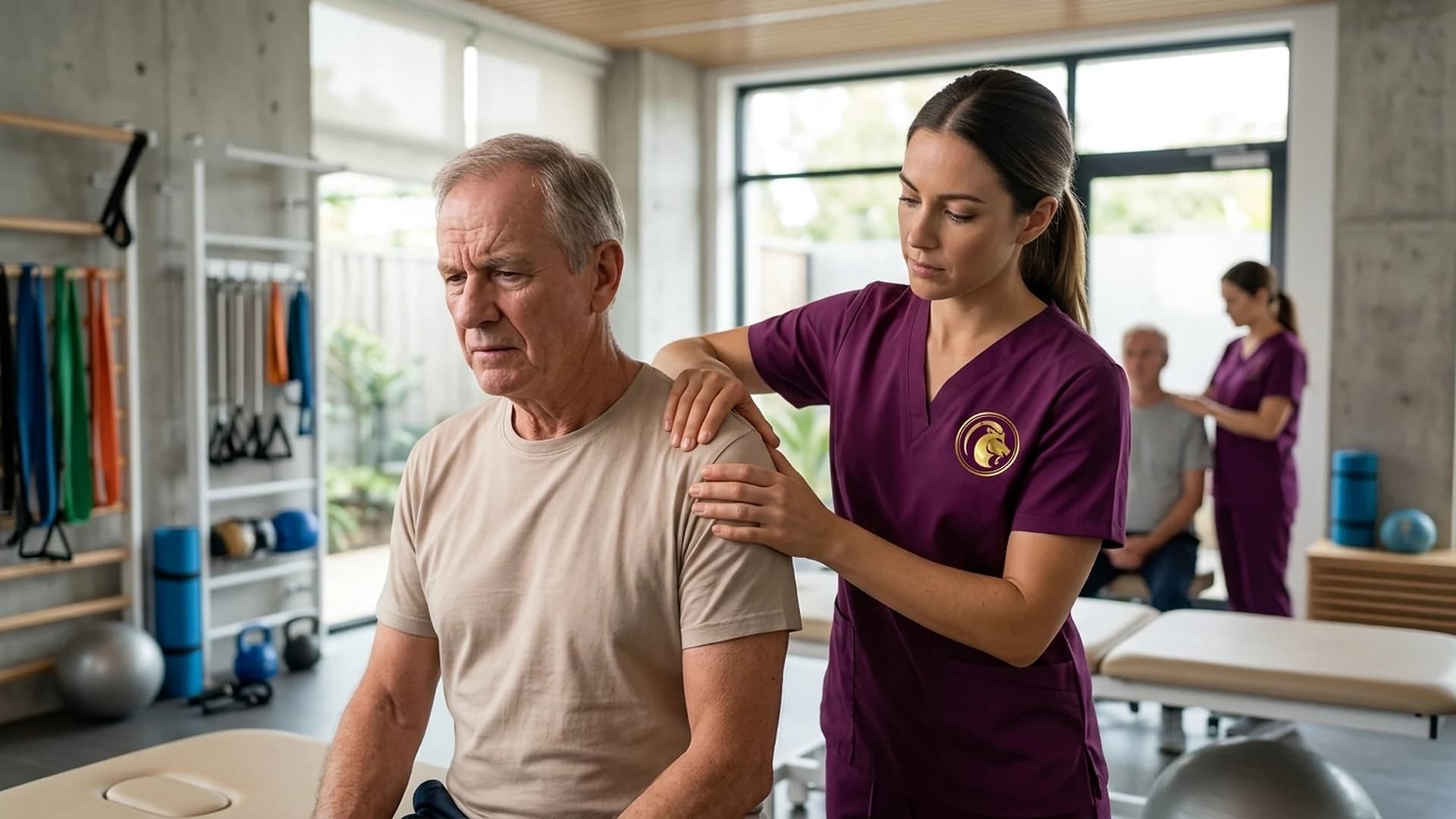
Spinal fractures—most commonly vertebral compression fractures (VCFs)—occur when a vertebral body collapses under load. In seniors, this frequently happens secondary to osteoporosis from minimal trauma, such as a minor stumble, stepping off a curb, or even coughing vigorously. In younger adults, fractures result from high-velocity vehicular trauma or falls from heights. Proper physical rehabilitation is critical to facilitate bone consolidation, prevent progressive kyphotic collapse, and safely restore physical independence without risking re-injury.
Common Symptoms of Spinal Fractures
Acute fracture presentation:
- Sudden, intense localized back pain following a fall, jar, or heavy lifting incident
- Significant worsening of pain during standing, walking, coughing, or sneezing
- Relief when lying completely flat on a firm surface
- Severe localized tenderness upon gentle percussion over the fractured vertebra
- Gradual loss of height and progressive rounding of the upper back (Dowager's hump)
- Severe muscular spasms in surrounding paraspinals acting as an internal biological splint
- Difficulty turning in bed or transitioning to a sitting position
Causes & Clinical Diagnosis
Clinical pathways:
- Osteoporosis: Fragile trabecular bone structure collapsing under normal physiological loads
- Traumatic burst or wedge fractures from motor vehicle collisions or falls
- Pathological fractures from secondary metastatic bone lesions
- Diagnosis requires spinal X-rays, CT scanning for bony architecture, and MRI to evaluate bone marrow edema and date fracture acuity.
Pathophysiology & Biomechanical Impact
When the anterior vertebral cortex fails, the wedge collapse shifts the axial mechanical load forward onto the next contiguous vertebra. Without active intervention and extensor strengthening, a domino effect can occur, precipitating adjacent level fractures.
Evidence-Based Physiotherapy Protocols
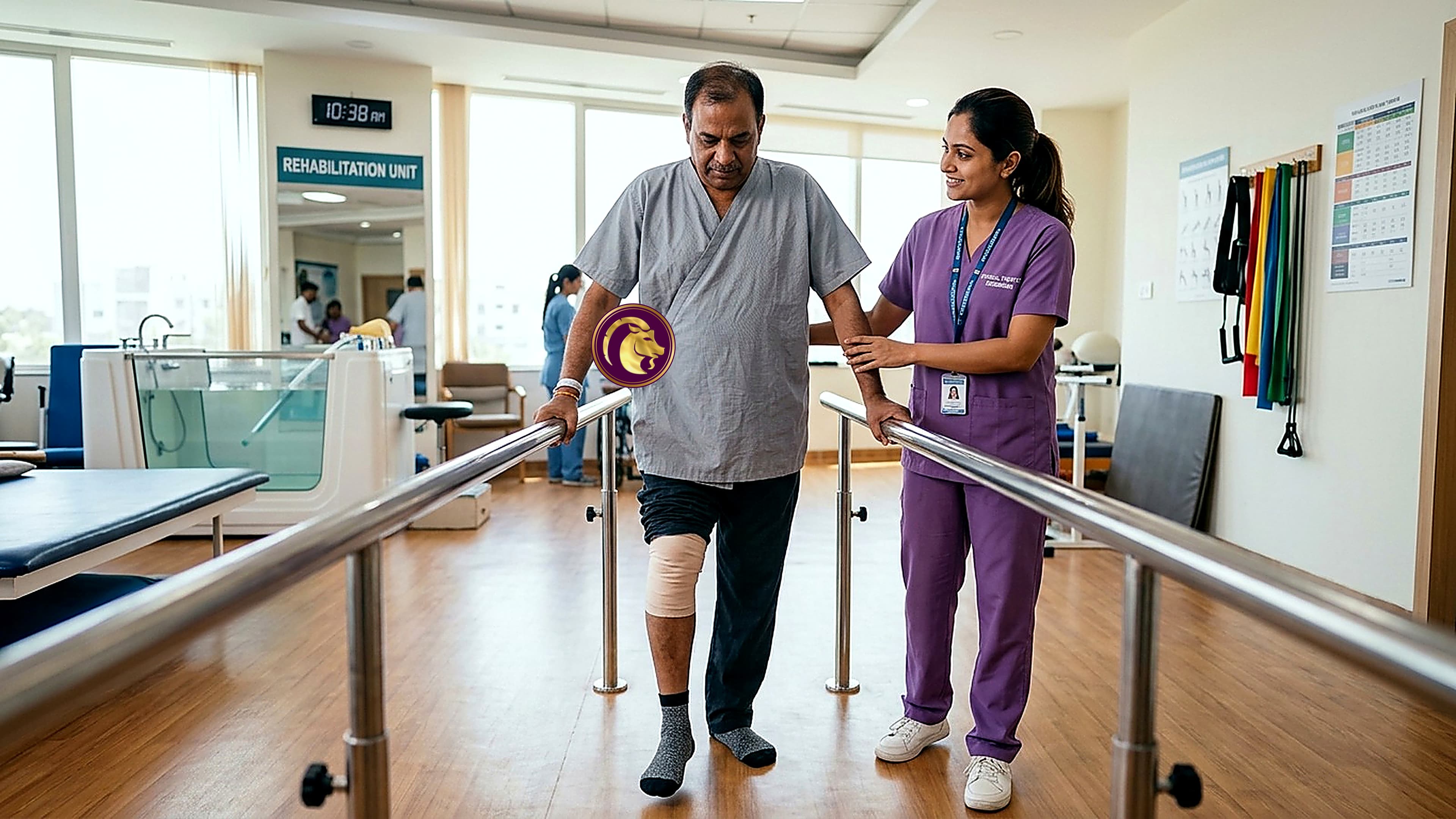
- Acute phase: Safe bed mobility training ("log-roll" technique) and pain control with gentle cryotherapy
- Rigid spinal orthosis fitment and progressive weaning (TLSO or Jewett hyperextension brace)
- Strict non-flexion rehabilitation protocols: complete prohibition of forward bending and twisting
- Isometric spinal extensor and deep core activation to stimulate osteoblastic bone remodeling safely
Home Care & Ergonomic Strategies
- Never bend forward from the waist; always squat with knees bent while keeping the spine vertical
- Avoid lifting any object weighing over 2–3 kilograms during the initial 8–12 weeks of healing
- Utilize assistive reachers and high-seat chairs to eliminate the need for bending
- Ensure optimal intake of calcium, vitamin D, and prescribed anti-osteoporotic medical therapies
When to Contact Us
Recover safely from a spinal fracture under expert clinical guidance. Contact Aries PhysioCare for specialized in-home post-fracture physiotherapy and safe bone-strengthening protocols.