

Introduction: Understanding Spinal Health
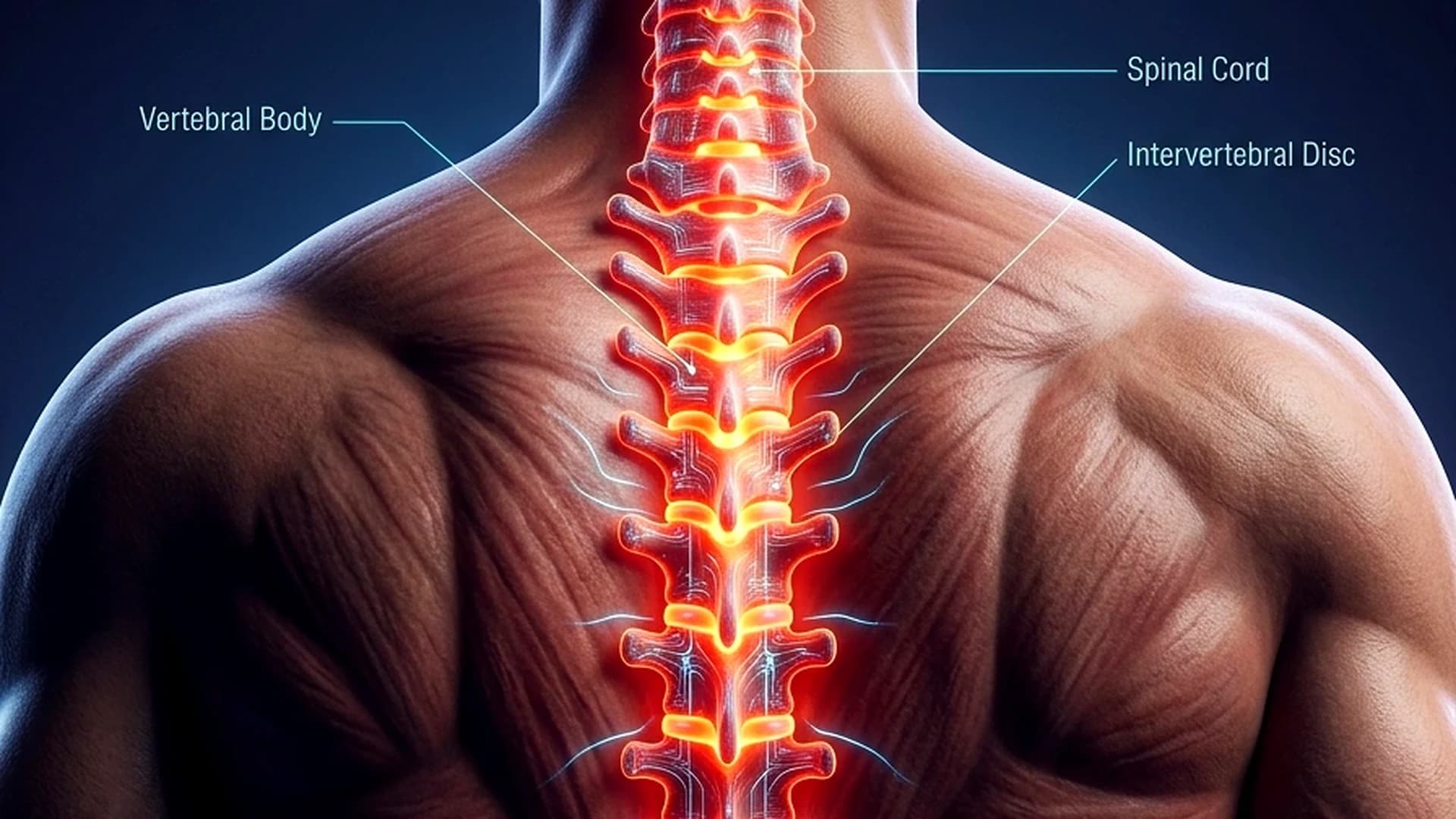
The human spine is an extraordinary engineering structure comprising 33 vertebrae, intervertebral discs, spinal ligaments, and complex musculature that balances mobility with neurological protection. Spine and back conditions encompass a wide spectrum of acute sprains, degenerative disc changes, postural distortions, and neural impingements. Modern evidence confirms that over 85% of spinal conditions achieve significant long-term relief through targeted physical therapy and non-invasive functional restoration rather than surgery.
Common Symptoms of Spine Disorders
Symptoms depend on whether the pathology involves muscular, articular, or neural tissues:
- Localized stiffness and aching in cervical, thoracic, or lumbar regions
- Radiating pain into the buttocks, thighs, or lower legs
- Numbness, tingling, or "pins and needles" sensations in extremities
- Sharp catching pain during forward bending or twisting
- Muscle spasms and defensive spinal guarding
- Reduced spinal range of motion and morning stiffness
- Postural compensation leading to asymmetric gait or shoulder drop
Causes & Clinical Diagnosis
Spinal disorders originate from biomechanical stress, disc wear, structural trauma, or genetic predisposition:
- Prolonged sedentary sitting and unergonomic computer workstations
- Heavy lifting with poor biomechanical technique and spinal flexion
- Age-related degenerative disc and facet joint osteoarthritis
- Clinical diagnosis involves orthopedic testing (Straight Leg Raise, Slump Test, Faber test) paired with MRI or X-ray imaging when red flags are present.
Pathophysiology & Biomechanical Impact
When spinal segments experience asymmetrical axial loading, intervertebral discs experience uneven hydrostatic pressure. Over time, micro-tears develop in the annulus fibrosus, facet joints develop synovial irritation, and paraspinal muscles become chronically hypertonic to brace the unstable motion segment.
Evidence-Based Physiotherapy Protocols
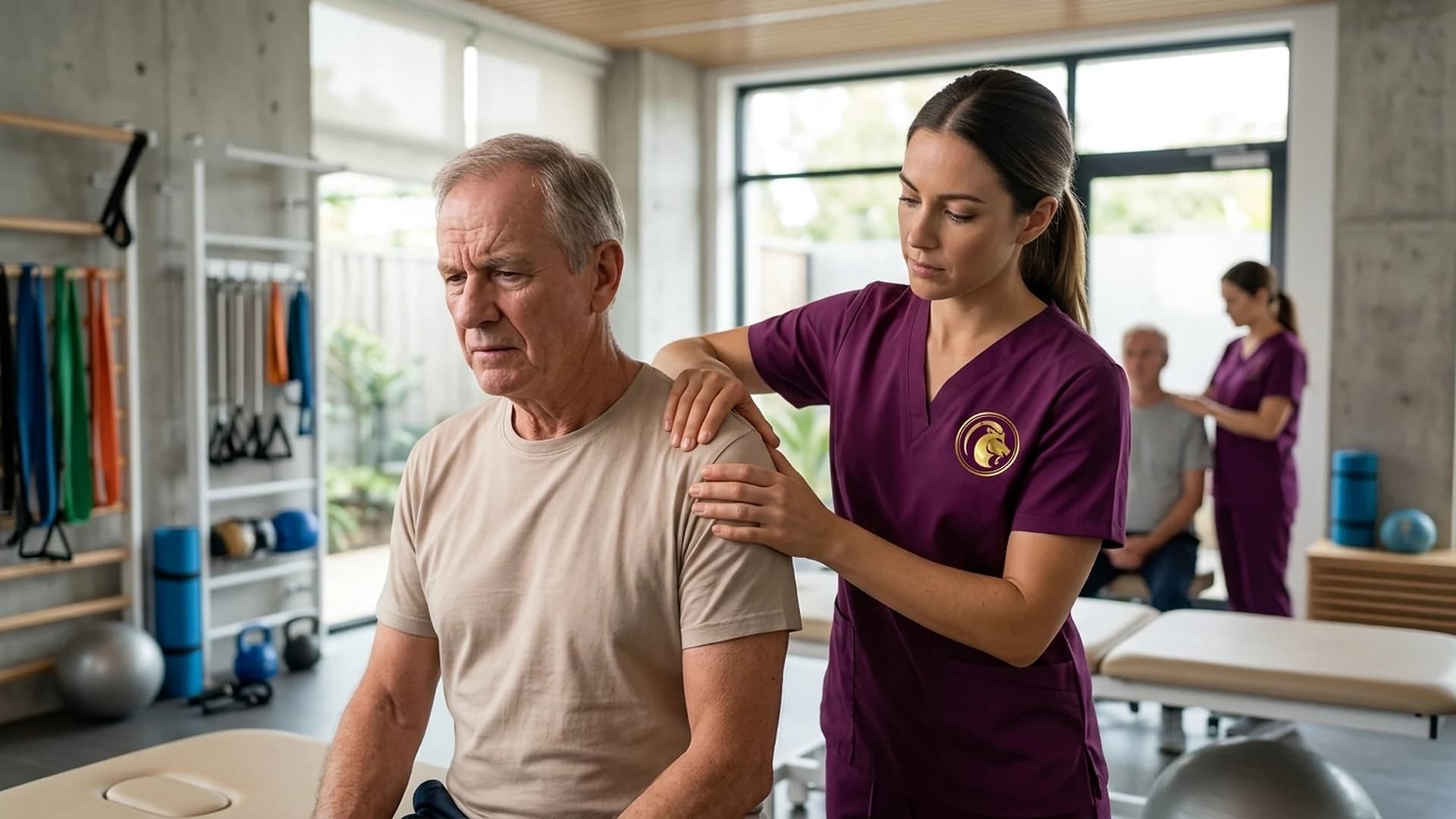
At Aries PhysioCare, our clinical approach integrates multimodal therapeutic interventions:
- Mechanical Diagnosis and Therapy (MDT / McKenzie Protocol) to centralize radiating symptoms
- Deep core muscle retraining targeting the Transversus Abdominis and Multifidus
- Calibrated electrotherapy (IFT, TENS, High-Intensity Laser) for rapid pain desensitization
- Manual spinal joint mobilization (Maitland and Mulligan techniques) to restore segmental kinematics
Home Care & Ergonomic Strategies
- Maintain an active sitting posture with lumbar lordosis support
- Perform hourly micro-breaks involving standing lumbar extensions
- Apply alternating heat/cold therapy for acute muscular discomfort
- Engage in low-impact walking to promote spinal disc hydration through movement
When to Contact Us
If back pain persists beyond 7–10 days, interferes with sleep, or radiates down the leg, seek prompt professional care. Contact Aries PhysioCare for specialized home physiotherapy and personalized spinal rehabilitation.