
Introduction: The Cellular Science of Rewiring
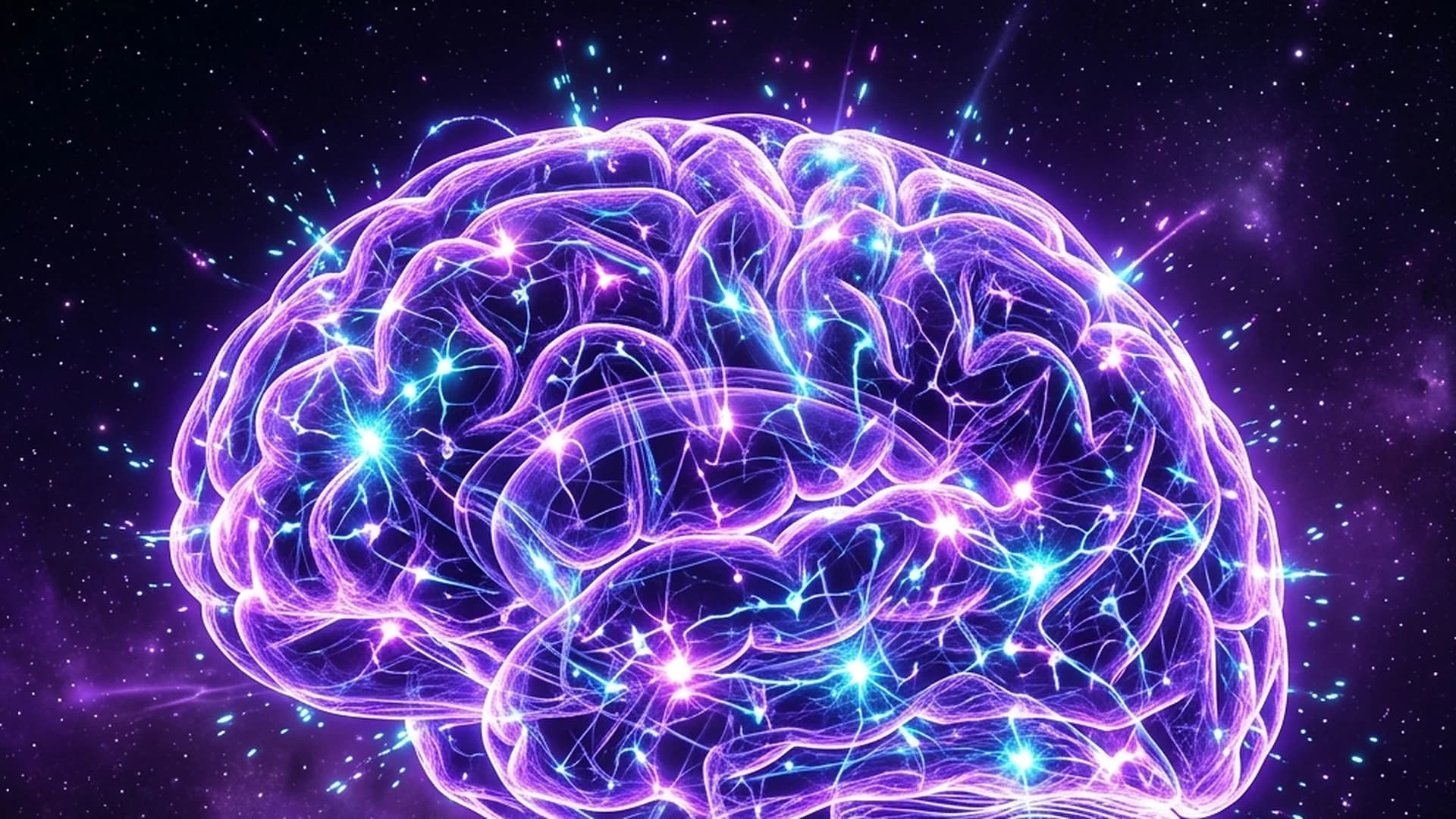
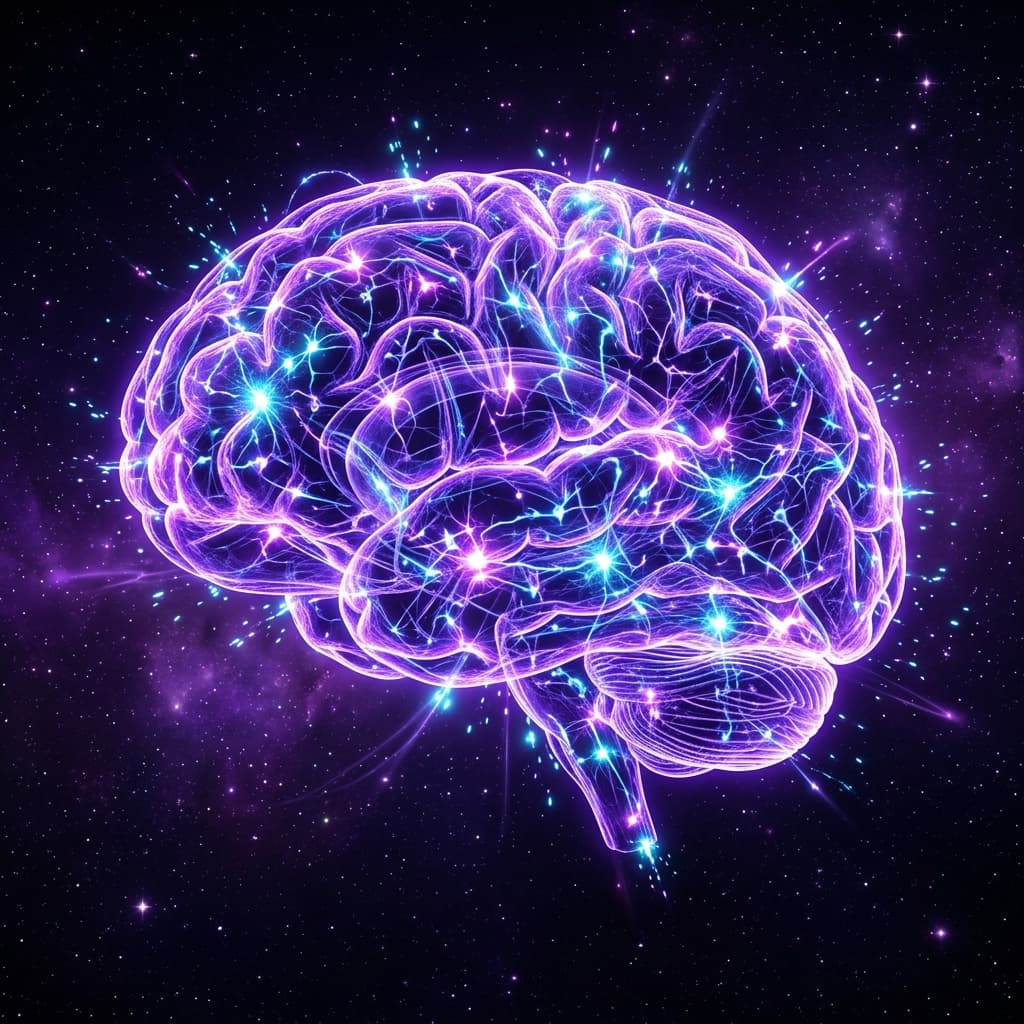
Neuroplasticity is the biological mechanism underpinning all neurological recovery following a brain injury. Contrary to obsolete beliefs that adult brain architecture is rigid, neuroscience demonstrates that the brain dynamically alters its structure and functional pathways in response to targeted learning and physical experience. After a stroke, undamaged cortical regions can reorganize, establish novel synaptic connections, and restore motor control when stimulated by disciplined physical therapy protocols.
Common Symptoms
Neurological deficits resulting from disrupted cortical networks:
- Disconnection between motor intention and physical limb execution
- Loss of fine motor control and tactile sensory feedback in extremities
- Difficulty initiating voluntary movements on the affected side
- Synergistic mass movement patterns where joints cannot move independently
- Muscle weakness and accelerated physical fatigue during motor learning tasks
- Unilateral spatial neglect and difficulty perceiving midline balance
- Reduced coordination and delayed reaction times during balance disturbances
Causes & Clinical Diagnosis
Underlying neural disruptions:
- Focal cerebral ischemia or hemorrhage causing localized loss of cortical neurons
- Diaschisis: Temporary functional inhibition of distant, interconnected brain regions
- Clinical diagnosis involves functional brain mapping correlation and specialized clinical motor assessments (Brunnstrom recovery stages, Wolf Motor Function Test).
Pathophysiology & Biomechanical Impact
In the immediate aftermath of a stroke, intact neurons surrounding the lesion enter a hyper-plastic state characterized by heightened synaptic excitability. If appropriate sensorimotor inputs are introduced during this window, dendritic sprouting and synaptogenesis bridge neural pathways. However, if limb movement is neglected, synaptic connections wither through competitive pruning, entrenching permanent functional limitations.
Evidence-Based Physiotherapy Protocols
Aries PhysioCare applies cutting-edge principles of motor learning to stimulate synaptogenesis:
- High-intensity, salient task-oriented training: Structuring purposeful functional motor practice to drive cortical reorganization
- Mental practice and motor imagery: Activating premotor cortical areas prior to physical movement execution
- Constraint-Induced Movement Therapy (CIMT): Systematically overcoming learned non-use through concentrated therapeutic practice
- Mirror therapy: Utilizing visual biofeedback of the unaffected limb to activate dormant mirror neurons in the damaged hemisphere
- Biofeedback-guided motor control: Providing real-time auditory and visual cues to refine precise muscle firing timing
- Graded sensory re-education: Structured tactile and thermal stimulation to re-establish afferent neural pathways
Home Care & Ergonomic Strategies
Supporting neuroplastic adaptation through everyday environmental design:
- Structure the home environment to encourage active sensory exploration and dual-handed engagement
- Maintain high cognitive stimulation through interactive memory, coordination, and problem-solving activities
- Practice frequent, short micro-sessions rather than exhausting long training blocks to optimize neuro-cellular consolidation
- Ensure adequate high-quality sleep, as synaptic consolidation and neural memory transfer occur predominantly during deep sleep cycles
- Maintain optimal brain nutrition and hydration under clinical guidance
- Refrain from passive inactivity; consistent daily movement is the most potent biological trigger for neuroplastic reorganization
When to Contact Us
Maximize your recovery window with evidence-based neuro-rehabilitation. Contact Aries PhysioCare to develop a personalized neuroplasticity-focused therapy plan delivered by certified specialists in your home.