


Introduction: Everyday Spine Biomechanics
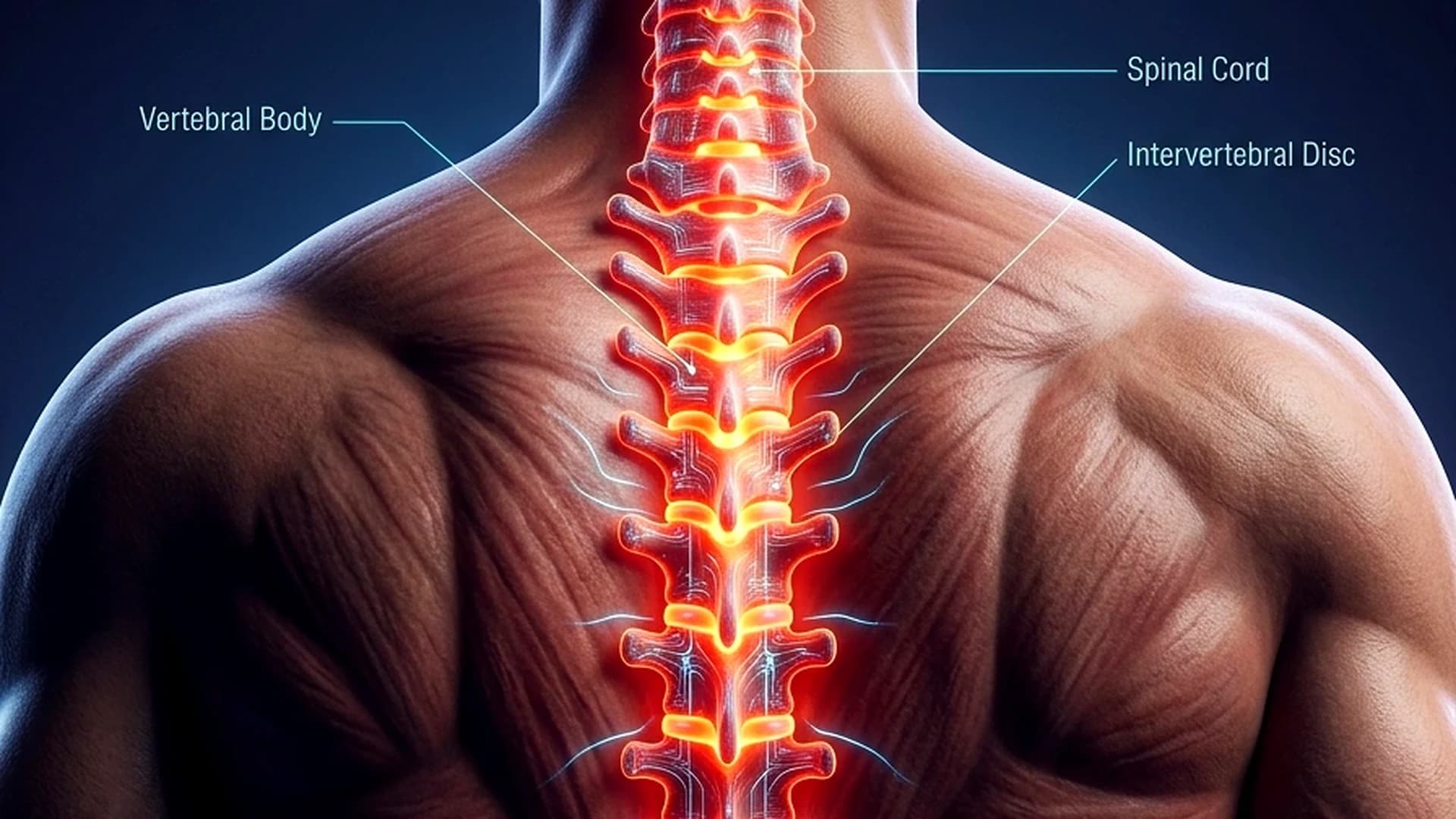
The human spinal column is engineered to distribute compressive loads and support dynamic movement through balanced cervical, thoracic, and lumbar curvatures. However, the vast majority of chronic spinal complaints do not originate from acute trauma, but rather from cumulative micro-trauma inflicted by repetitive daily habits. From prolonged slumped sitting and unergonomic mobile device usage to asymmetrical load carriage and chronic dehydration, habitual biomechanical errors accelerate intervertebral disc degeneration and paraspinal muscle fatigue. Understanding and correcting these daily patterns is the cornerstone of spinal longevity.
Common Symptoms
Chronic postural and habitual spinal strain manifests through distinct mechanical and muscular signs:
- Dull, burning ache across the mid-back and between the shoulder blades by mid-day
- Persistent lower back tightness and stiffness when rising from prolonged seated positions
- Suboccipital tension headaches and neck stiffness resulting from forward head posture
- Sensation of spinal fatigue and an inability to maintain an upright posture without slouching
- Intermittent localized muscle spasms along the lumbar erector spinae
- Asymmetric pelvic discomfort when standing or walking after seated work
- Mild morning lumbar stiffness that requires active movement to loosen
Causes & Clinical Diagnosis
Cumulative spinal stress stems from five primary daily habit patterns evaluated during clinical consultation:
- Habit 1 (Sustained Slouching & Tech-Neck): Holding the cervical spine in 45-degree flexion multiplies gravitational load on discs up to 500%
- Habit 2 (Spinal Flexion Bending): Lifting household loads by flexing the lumbar spine rather than hinging at the hips
- Habit 3 (Inadequate Hydration): Depriving intervertebral discs of daily water intake required for overnight imbibition
- Habit 4 (Unsupportive Sleep Ergonomics): Worn-out mattresses or improper pillow heights forcing lateral spinal curvature
- Habit 5 (Static Sedentariness): Remaining seated for continuous hours without interrupting axial disc compression
- Diagnosis involves digital postural assessment, ergonomic workstation analysis, and clinical spinal mobility testing.
Pathophysiology & Biomechanical Impact
When the spine is held in prolonged flexion or asymmetric posture, the anterior disc margin experiences concentrated compressive loading while the posterior annulus is stretched under tensile strain. Over time, proteoglycan synthesis decreases, leading to disc dehydration and reduced shock absorption. Surrounding paraspinal musculature remains in a state of continuous low-grade contraction to prevent spinal collapse, creating ischemic trigger points, connective tissue adhesions, and early facet joint wear.
Evidence-Based Physiotherapy Protocols
At Aries PhysioCare, our clinical team implements targeted interventions to counteract habitual postural breakdown:
- Postural alignment analysis: Laser and plumb-line assessment of sagittal and coronal spinal deviations
- Hands-on manual therapy: Soft tissue release of hypertonic pectorals, upper trapezius, and psoas muscles
- Thoracic spine mobilization: Gentle oscillatory techniques to restore extension and rotational mobility
- Scapular and deep core motor re-education: Retraining transversus abdominis and lower trapezius firing patterns
- Guided movement retraining: Teaching the clinical hip-hinge technique to protect lumbar discs during lifting
- Calibrated electrotherapy: Applying TENS and thermal modalities to rapidly alleviate acute paraspinal fatigue
Home Care & Ergonomic Strategies
Adopting evidence-based workplace and home habits prevents recurrent spinal micro-trauma:
- Set up a designated workstation with monitor top at eye level and forearms supported at 90-degree angles
- Incorporate active postural resets: Change sitting positions or stand for 2 minutes every 30 to 45 minutes
- Maintain daily hydration of 2.5 to 3 liters to preserve cellular fluid balance in intervertebral discs
- Optimize sleep biomechanics with a contoured cervical pillow and medium-firm supportive mattress
- Practice the hip-hinge maneuver for all daily household lifting tasks, keeping loads close to the chest
- Avoid sustained forward head carriage while reading or using handheld mobile devices
When to Contact Us
If postural fatigue, neck stiffness, or lower back aching persists despite workstation adjustments, schedule a home or clinic consultation with Aries PhysioCare for a comprehensive ergonomic and spinal assessment.