

Introduction: Non-Surgical vs. Surgical Pathways
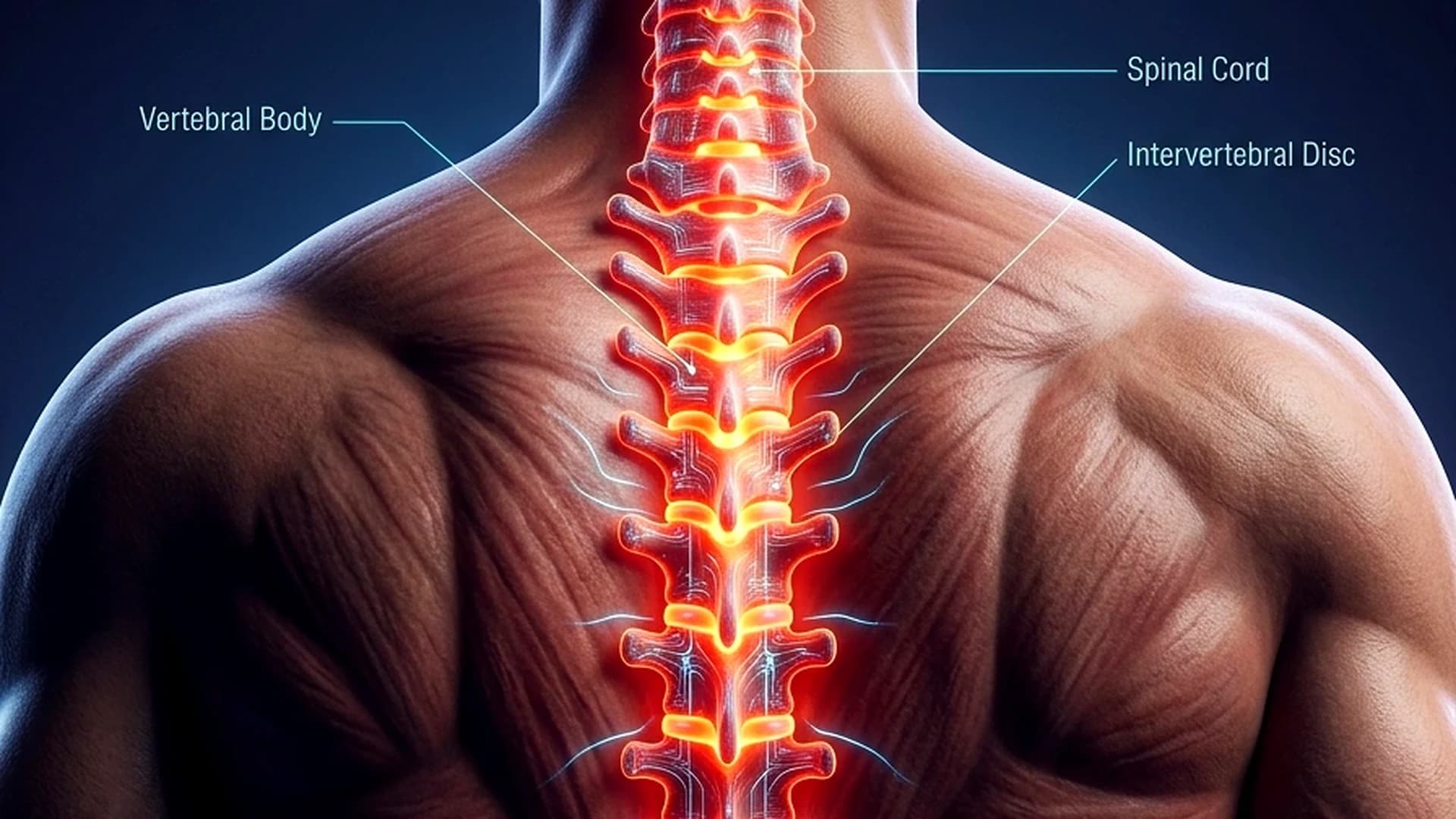
When diagnosed with an intervertebral disc herniation, disc extrusion, or degenerative disc disease on an MRI scan, patients frequently confront the stressful dilemma of whether spinal surgery is mandatory. Clinical evidence demonstrates that up to 90% of lumbar disc herniations resolve successfully with structured, non-operative physiotherapy. Surgical discectomy or microdiscectomy is intended primarily for specific structural crises, whereas modern physiotherapy leverages natural biological disc resorption, neural desensitization, and core muscular stabilization to achieve enduring relief without operative risks.
Common Symptoms
Patients navigating disc pathologies experience distinct neuro-mechanical symptom profiles:
- Sharp, electric, or searing pain radiating down the buttock, thigh, calf, or foot (sciatica)
- Deep, throbbing axial back pain aggravated by forward bending, coughing, or sneezing
- Paresthesia, numbness, or "pins-and-needles" sensations across specific dermatomal pathways
- Subjective weakness in the lower extremity, such as difficulty pushing off during walking
- Pain exacerbated by prolonged sitting or rising from a low chair
- Marked spinal antalgic shift (leaning to one side to offload the compressed nerve root)
- Restricted spinal range of motion with apprehension during lumbar extension or flexion
Causes & Clinical Diagnosis
Disc herniations occur when the gel-like nucleus pulposus penetrates through fissures in the outer annulus fibrosus:
- Age-related degenerative disc wear combined with sudden torsional or compressive loading
- Chronic sedentary occupations placing repetitive hydrostatic pressure on the posterior disc wall
- Heavy lifting with poor biomechanics and spinal flexion
- Clinical assessment encompasses detailed neurological screening (deep tendon reflexes, dermatomal sensation, myotomal strength testing) and nerve root provocation maneuvers (Straight Leg Raise, Well-Leg Raise, Slump Test) correlated with lumbar MRI findings.
Pathophysiology & Biomechanical Impact
Herniated disc material causes symptoms through dual mechanisms: mechanical compression of the exiting nerve root and intense chemical radiculitis driven by inflammatory cytokines (TNF-alpha, interleukins) released from the extruded nucleus. Over 6 to 12 weeks, the body's immune system deploys macrophages to naturally phagocytose and resorb the extruded disc fragment. Specialized physical therapy facilitates this biological process by offloading the affected motion segment and restoring neural glide.
Evidence-Based Physiotherapy Protocols
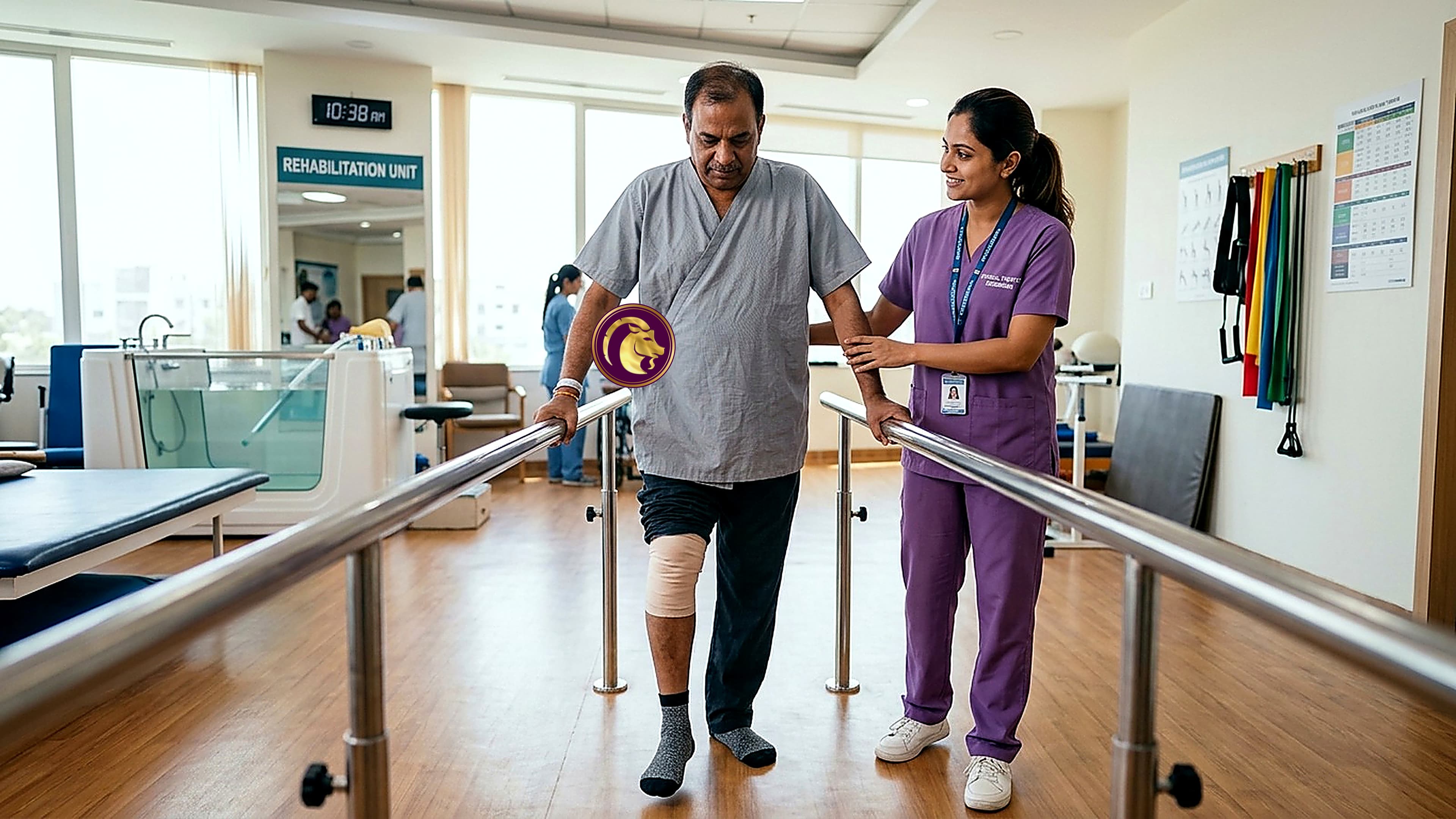
Aries PhysioCare provides comprehensive conservative rehabilitation protocols benchmarked against international spinal guidelines:
- Mechanical Diagnosis and Therapy (MDT / McKenzie Method) to establish directional preference and drive pain centralization
- Targeted neural mobilization: Gentle nerve flossing and sliding maneuvers to prevent epidural fibrosis and tethering
- Advanced clinical modalities: Class-IV High-Intensity Laser and Interferential Therapy (IFT) to alleviate severe chemical radiculitis
- Supervised spinal decompression and gentle manual traction to reduce intradiscal pressure
- Dynamic core and lumbopelvic stabilization conducted under one-on-one therapist monitoring
- Phased progression toward functional load tolerance and safe return to daily and vocational activities
Home Care & Ergonomic Strategies
Supporting conservative recovery at home requires strict attention to spinal offloading:
- Maintain short, frequent walking intervals on flat surfaces to encourage disc imbibition and reduce nerve edema
- Use a high-density lumbar support cushion during all necessary seated intervals
- Avoid prolonged bed rest beyond 48 hours; gentle active movement accelerates neurological recovery
- Apply cryotherapy packs to the lower back for 15 minutes post-activity to manage acute inflammatory flare-ups
- Sleep in a neutral recumbent position: side-lying with a firm pillow between knees or supine with an elevated knee bolster
- Refrain from unsupervised strenuous bending, twisting, or lifting until cleared by your physiotherapist
When to Contact Us
While conservative therapy is extraordinarily successful, immediate emergency medical evaluation is mandatory if you experience Red Flag symptoms: loss of bowel or bladder control, numbness in the groin or saddle area, or progressive bilateral foot weakness (Cauda Equina Syndrome). For all non-emergency disc herniations, contact Aries PhysioCare to initiate structured, evidence-based in-home physiotherapy.