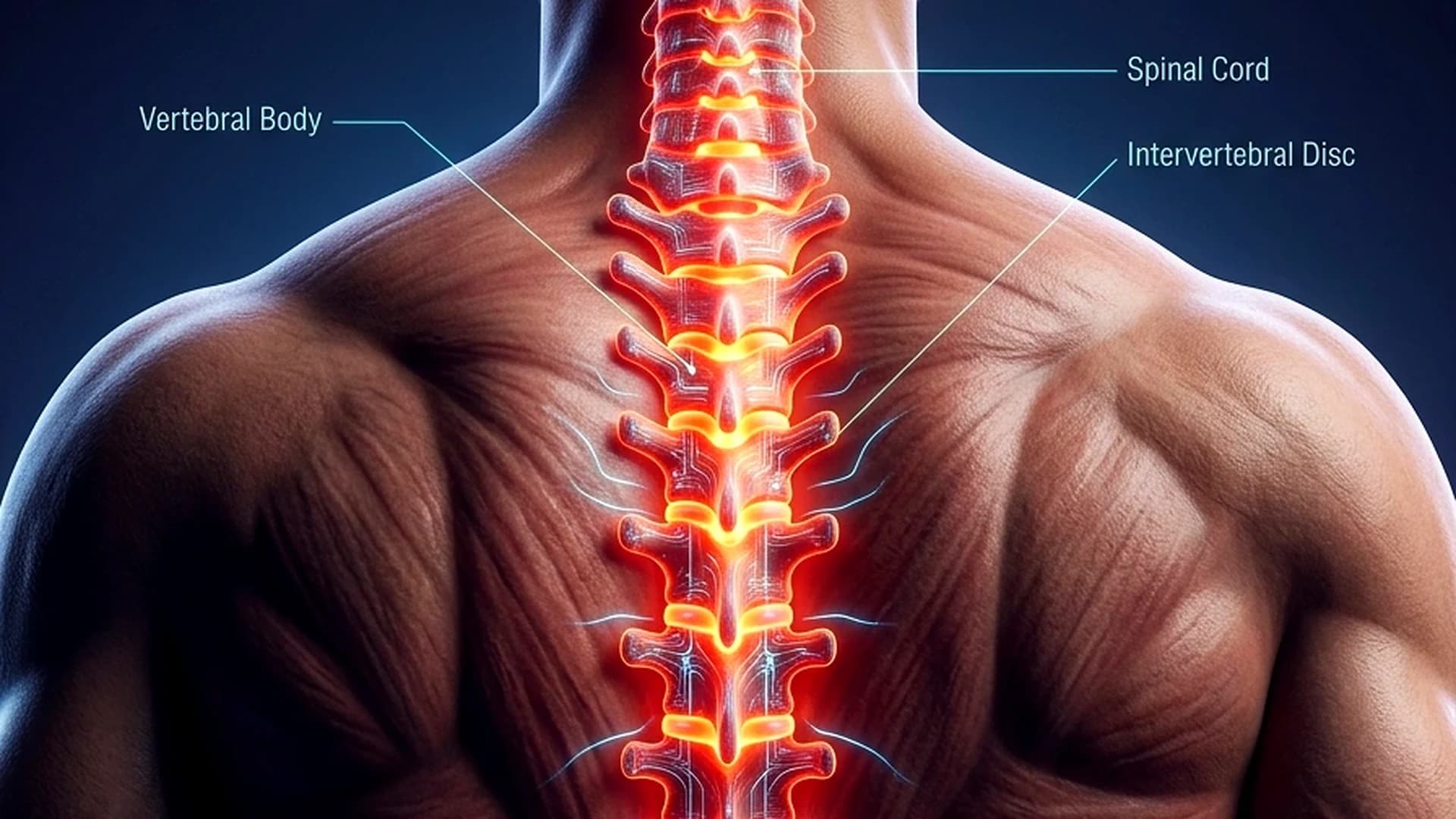




Introduction: Active Muscular Armor & Core Stability
The lumbar spine relies on an intricate combination of passive osteoligamentous structures and active neuromuscular systems to maintain equilibrium under gravitational load. Rather than relying solely on bony vertebrae and intervertebral discs to bear body weight, a healthy back depends on dynamic muscular armor. When deep stabilizing muscles fail to activate with proper timing, mechanical forces transfer directly to sensitive disc annuli and facet joints. Evidence-based physiotherapy focuses on retraining the neuromuscular timing of these deep stabilizers under clinical supervision, building durable resilience against spinal injury.
Common Symptoms of Core Muscle Deconditioning
When the deep muscular stabilizing systems of the lower back become inhibited or fatigued, specific mechanical warning signs emerge:
- Persistent fatigue and aching across the lower back during prolonged standing or slow walking
- A sensation that the lower spine is "catching" or "giving out" during minor transitional movements
- Difficulty maintaining upright sitting posture without slouching or supporting the torso with hands
- Excessive lumbar extension or exaggerated pelvic forward inclination during standing tasks
- Chronic tightness in the hamstrings and hip flexors attempting to compensate for inactive deep core muscles
- Recurrent micro-spasms in the superficial lumbar erector spinae following routine daily chores
- Sluggish recovery and persistent soreness following normal physical activities
Causes & Clinical Diagnosis
Spinal muscular deconditioning develops from a confluence of sedentary modern habits and neuromuscular inhibition:
- Prolonged static sitting: Sustained compression shuts down reflexive gluteal and abdominal recruitment ("gluteal amnesia")
- History of acute back injury: Even a minor episode of back pain causes reflexive atrophy of the lumbar multifidus that does not automatically resolve without targeted retraining
- Lack of multi-planar functional movement in daily routines
- Clinical diagnosis involves functional movement screening (FMS), prone instability testing, biofeedback pressure unit assessment for transversus abdominis activation, and hip abductor endurance testing.
Pathophysiology & Biomechanical Impact
The stability of each spinal motion segment depends on co-contraction between the local stabilizing system (transversus abdominis, lumbar multifidus, pelvic floor, and diaphragm) and the global mobilizing system. When local stabilizers are delayed or inhibited, the spine experiences micro-instability. The superficial erector spinae and hip flexors over-activate to compensate, generating high compressive and shear loads across L4-S1 facet joints and discs. Over time, this aberrant loading pattern accelerates degenerative joint changes and triggers chronic pain.
Evidence-Based Physiotherapy Protocols
At Aries PhysioCare, physical therapists restore deep spinal stability through a structured, clinician-guided activation model:
- Diagnostic biofeedback: Using ultrasound imaging or pressure biofeedback units to teach patients isolated transversus abdominis recruitment
- Segmental multifidus facilitation: Therapist-guided palpatory cues to retrain deep segmental paraspinal stabilizing fibers
- Lumbopelvic motor control retraining: Progressive neuromuscular coordination without spinal compression
- Posterior chain integration: Guided clinical gluteal activation to restore normal lumbopelvic rhythm during walking and standing
- Core stiffness conditioning: Isometric stabilization protocols (side bridge and quadruped positioning) supervised for exact neutral alignment
- Dynamic functional progression: Transitioning from recumbent stabilization to loaded hip-hinging and rotational control under clinical monitoring
Home Care & Ergonomic Strategies
Maintaining active muscular protection requires integrating safe posture habits into everyday routines:
- Arrange workstations so that hips and knees form comfortable 90-degree angles with lumbar curve fully supported
- Avoid prolonged static standing: Shift weight evenly or use an ergonomic anti-fatigue mat
- Practice active diaphragmatic breathing throughout the day to support intra-abdominal pressure regulation
- Never attempt heavy unsupervised core workouts or sit-ups during an active back pain episode, as flexion crunches dramatically increase intradiscal pressure
- Use proper body mechanics when lifting: Bend at the hips and knees, brace the abdominal wall gently, and keep objects close to the body
- Ensure adequate sleep on a medium-firm supportive mattress to allow paraspinal muscle recovery
When to Contact Us
If you experience recurring lower back fatigue, unstable catches during movement, or difficulty staying upright without discomfort, contact Aries PhysioCare. Our licensed physiotherapists provide comprehensive at-home and in-clinic movement assessments to build your personalized, injury-proof core armor.